

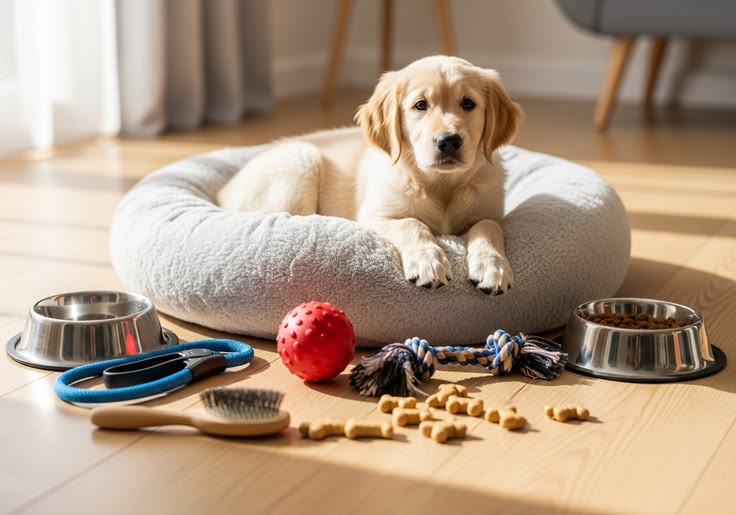
- It include the following points-
- 1.Behavioral Training
- 2.Vaccination Schedules
- 3.Preventative Healthcare
- 4.Nutritional Selection
- 5.Growth Management
1.Growth Management
Behavioral Training for Dogs is one of the most important parts of raising a happy and well-mannered pet. Starting Puppy Training at an early age helps puppies develop good habits before unwanted behaviors become difficult to change. The most effective method is Positive Reinforcement Dog Training, where you reward good behavior with treats, praise, or favorite toys. This encourages your puppy to repeat the desired actions and builds confidence during learning.
A complete Basic Puppy Training routine includes House Training Puppy, Potty Training Puppy, Crate Training, and teaching essential Puppy Commands such as Sit, Stay, and Come. Practicing these commands every day improves obedience and keeps your puppy safe in different situations. Consistency is the key to successful Dog Obedience Training, so every family member should use the same commands and reward system.
Avoid punishment or yelling because it can create fear and slow your puppy’s progress. Instead, gently redirect unwanted behavior and continue using Reward-Based Dog Training techniques. Daily training sessions strengthen communication, improve Puppy Behavior, and create a strong bond between you and your pet. With patience, consistency, and the right Dog Training Tips, your puppy will grow into a calm, confident, friendly, and well-behaved companion that becomes a wonderful member of your family.
2.Vaccination Schedules
A Puppy Vaccination Schedule is one of the most important parts of Puppy Health Care. Following the correct Dog Vaccination Schedule helps protect your puppy from dangerous diseases while building a strong immune system. Puppies receive temporary antibodies from their mother’s milk, but this protection fades after a few weeks. That is why Puppy Vaccines usually begin between six and eight weeks of age and continue every three to four weeks until about sixteen weeks. These Core Dog Vaccines protect against serious illnesses such as Canine Parvovirus, Distemper, and Canine Hepatitis, which can be life-threatening for young dogs.
As your puppy grows, your veterinarian will also recommend the Rabies Vaccine for Dogs, along with optional vaccines like the Bordetella Vaccine if your puppy visits dog parks, boarding facilities, or grooming salons. Completing the full Puppy Immunization schedule is essential because delaying or skipping Puppy Shots increases the risk of severe infections. Until your puppy has received all recommended Dog Vaccinations, avoid contact with unknown dogs and crowded public places. Always follow your veterinarian’s Vet Vaccination Schedule to ensure your puppy develops a healthy immune system. A complete Pet Vaccination Guide and timely vaccinations help your puppy grow into a happy, active, and healthy adult dog with lifelong protection.
3.Preventative Healthcare
Puppy Preventive Healthcare is the foundation of raising a healthy and happy dog. Every new pet owner should focus on Puppy Health Care from the beginning to protect their puppy from serious diseases. Regular Vet Checkups for Puppies allow veterinarians to monitor growth, weight, and overall health while following a proper Puppy Vaccination Schedule. Timely Puppy Vaccination helps protect against dangerous diseases such as parvovirus and rabies.
Another important part of Preventive Dog Care is Parasite Prevention for Dogs. Regular Deworming for Puppies, along with Flea and Tick Prevention, keeps your puppy free from harmful parasites that can affect both pets and family members. Spaying and Neutering is also recommended to prevent unwanted litters and reduce the risk of certain health conditions later in life.
Good Puppy Dental Care and a Healthy Puppy Diet are essential for strong teeth, healthy bones, and proper muscle development. Daily Puppy Exercise keeps your pet physically fit, while early Puppy Socialization builds confidence and encourages positive behavior around people and other animals. By following these Dog Health Tips and maintaining a consistent Puppy Wellness routine, you can give your puppy the best possible start and support a long, healthy, and active life.
4.Nutritional Selection
Choosing the Best Puppy Food is one of the most important decisions every pet owner can make. Proper Puppy Nutrition provides the foundation for healthy growth, strong bones, and lifelong wellness. A balanced Puppy Diet should contain high-quality protein from real meat to support muscle development, while healthy fats and DHA for Puppies promote brain development, learning, and healthy eyesight. Essential minerals such as Calcium for Puppies and phosphorus help build strong bones and joints, especially for large-breed puppies during their rapid growth stage.
When selecting Healthy Puppy Food, avoid products filled with artificial colors, chemical preservatives, and low-quality fillers that offer little nutritional value. Instead, choose Premium Puppy Food with natural ingredients and look for an AAFCO Approved Puppy Food label to ensure it provides complete and balanced nutrition. A High-Protein Puppy Food also supports energy levels, strengthens the immune system, and encourages healthy digestion.
Following a proper Puppy Nutrition Guide helps your puppy grow into a healthy, active, and happy adult dog. Investing in Natural Puppy Food with balanced nutrients today improves long-term health, supports healthy weight management, enhances coat quality, and reduces the risk of nutritional deficiencies. Choosing the right Puppy Food is one of the best investments you can make for your dog’s future.
5.Growth Management
Puppy Growth Management is essential for ensuring your puppy develops into a healthy and active adult dog. Monitoring Puppy Growth helps support strong bones, healthy joints, and proper muscle development. Since puppies grow quickly, providing the right Puppy Nutrition and avoiding rapid weight gain are important for long-term Puppy Health. A Balanced Puppy Diet with High-Quality Puppy Food supplies the nutrients needed for healthy growth. If you have a large breed dog, choosing Large Breed Puppy Food helps control growth and reduces stress on developing bones and joints. Maintaining a Healthy Puppy Weight also lowers the risk of future joint problems.
Daily Puppy Exercise is another key part of Puppy Care. Gentle walks and supervised play strengthen muscles without putting pressure on Puppy Growth Plates. Avoid excessive jumping, running on hard surfaces, or intense exercise until your puppy is fully developed. Regular Veterinary Checkups allow your veterinarian to monitor Puppy Development, weight, and overall health while detecting problems early.
Keeping track of important Puppy Milestones and supporting Joint Health for Puppies can help with Hip Dysplasia Prevention and other orthopedic issues. With consistent care, proper nutrition, regular exercise, and routine vet visits, your growing puppy can enjoy a strong body, healthy development, and a happy, active life.
