

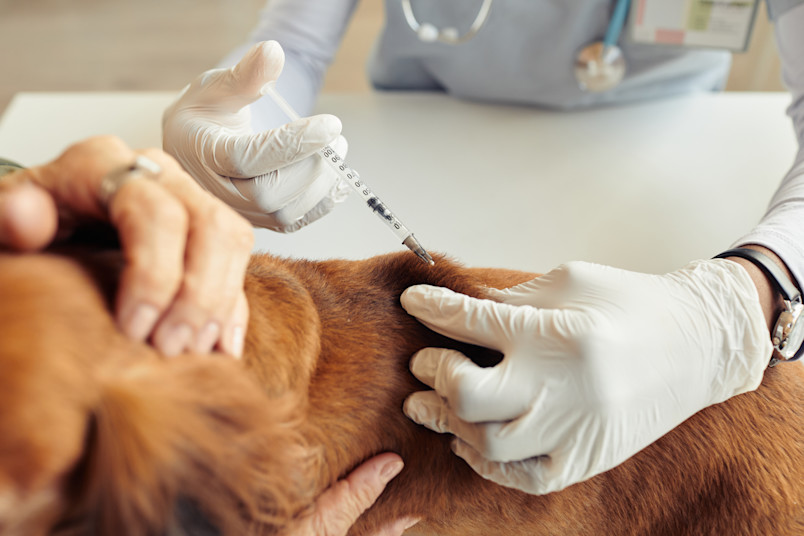
- It includes the following points-
- 1.Puppy Core Vaccination Schedule
- 2.Adult Dog Booster Frequency
- 3.Non-Core Lifestyle Vaccines
- 4.Vet Clinic Vaccination
- 5.Identifying Vaccine Side Effects
1.Puppy Core Vaccination Schedule
Puppies need a specific core vaccination schedule to stay healthy and safe from deadly diseases. Following a proper timeline helps build their immunity while protecting them from illnesses like parvovirus, distemper, hepatitis, and rabies.The primary puppy vaccine schedule usually begins when your pet is 6 to 8 weeks old.
At this young age, the first combination shot—often called the DHPP vaccine—is given to guard against multiple viruses at once. After this first visit, your puppy will need critical booster shots every 3 to 4 weeks. These follow-up doses are vital because a mother dog’s milk provides temporary protection that slowly wears off, leaving the puppy vulnerable.
Your vet will schedule the final round of core puppy shots, including the mandatory rabies vaccine, around 14 to 16 weeks of age. To keep this protection strong, your dog will require another booster shot at one year old. After that first year, adult dogs only need core boosters every 1 to 3 years. Keeping up with this routine care is the best way to give your new companion a long, happy, and vibrant life.
2.Adult Dog Booster Frequency
Keeping your adult dog vaccinated is the best way to protect them from dangerous diseases. After your puppy gets their first shots, they need regular booster injections to keep their immunity strong. Most adult dogs do not need shots every single month. Instead, the general booster frequency for most core vaccines is either every year or every three years.
Your vet will create a specific schedule based on your dog’s lifestyle. Core vaccines protect against major illnesses like rabies, parvovirus, and distemper. The rabies shot is often required by law and is usually given every one to three years. Other shots, like the one for parvovirus, also last for three years in adult pets. However, non-core vaccines protect against local risks like kennel cough or Lyme disease. These lifestyle vaccines have a faster frequency and require a booster every single year.
Skipping these shots can put your dog’s health at risk. Regular vet visits ensure your pet stays safe without getting too many unnecessary injections. Always talk to your local veterinarian to set up the perfect timeline for your furry best friend.
3.Non-Core Lifestyle Vaccines
While core vaccines are necessary for all pets, dogs non-core lifestyle vaccines are optional shots based on your pup’s daily routine. These extra vaccines protect your furry friend from specific bacteria and viruses found in certain environments. If your dog loves socializing, exploring nature, or visiting public places, these protective shots are highly recommended by veterinarians.
One common lifestyle vaccine protects against kennel cough, a highly contagious respiratory infection. Dogs get this easily at boarding facilities, groomers, and busy dog parks. Another important choice is the Leptospirosis vaccine, which protects against harmful bacteria found in wildlife urine, damp soil, and stagnant puddles. If you take your dog hiking in the woods, the Lyme disease vaccine is crucial to shield them from dangerous tick bites. There is also a vaccine for canine influenza, which spreads rapidly in crowded doggy daycares.
Your vet will evaluate your dog’s risk factors to determine which dogs non-core lifestyle vaccines are actually needed. Unlike core shots that can last three years, most lifestyle boosters require a yearly update to stay effective. Choosing the right shots ensures your pet stays completely safe during all of their favorite adventures.
4.Vet Clinic Vaccination
Going to a dogs vet clinic vaccination appointment is the single best way to keep your furry family member healthy and safe. A veterinary clinic is a clean, professional place where trained doctors give your pet life-saving shots. These routine visits protect your pup from painful, dangerous sicknesses and help them live a long, happy life.
When you walk into the clinic, the staff will make your dog feel comfortable. Before giving any shots, the vet will do a quick physical checkup to ensure your pet is healthy enough for medicine. During a standard dogs vet clinic vaccination visit, the doctor will administer core shots like rabies and parvovirus. They will also discuss your dog’s daily habits to see if they need extra lifestyle shots for kennel cough or ticks. The clinic tracks these dates carefully so you always know when your pet needs a booster. Plus, getting your legal rabies certificate at the clinic keeps you compliant with local pet laws.
Regular clinic visits prevent expensive medical emergencies down the road. It turns a scary medical chore into a positive, routine habit that protects your entire community.
5.Identifying Vaccine Side Effects
Just like humans, pets can sometimes experience vaccine side effects for dogs after getting their routine shots. Most reactions are very mild and disappear completely within one or two days. Knowing what to look for helps you keep your furry friend comfortable and alerts you if they need medical attention.
Normal, mild reactions include slight swelling or soreness where the needle went in. Your pup might also seem a bit sleepy, lose their appetite, or run a mild fever. This simply means their immune system is working hard to build protection. However, you must watch closely for severe vaccine side effects for dogs, which are rare but require urgent care. Serious warning signs include facial swelling, hives, constant vomiting, severe diarrhea, or difficulty breathing. If your dog collapses or seems extremely weak within hours of the injection, take them back to the clinic immediately.
Always monitor your pet closely for the first twenty-four hours after their appointment. Keep them calm, skip heavy exercise, and ensure they have a quiet place to rest with plenty of fresh water.
