

It includes the following points-
1. Brushing your Dog’s coat.
2. Bathing your Dog properly.
3. Nail Trimming
4. Cleaning your Dog’s ear, and eyes
5. Brushing your Dog’s Teeth
1.Brushing Your Dogs Coat
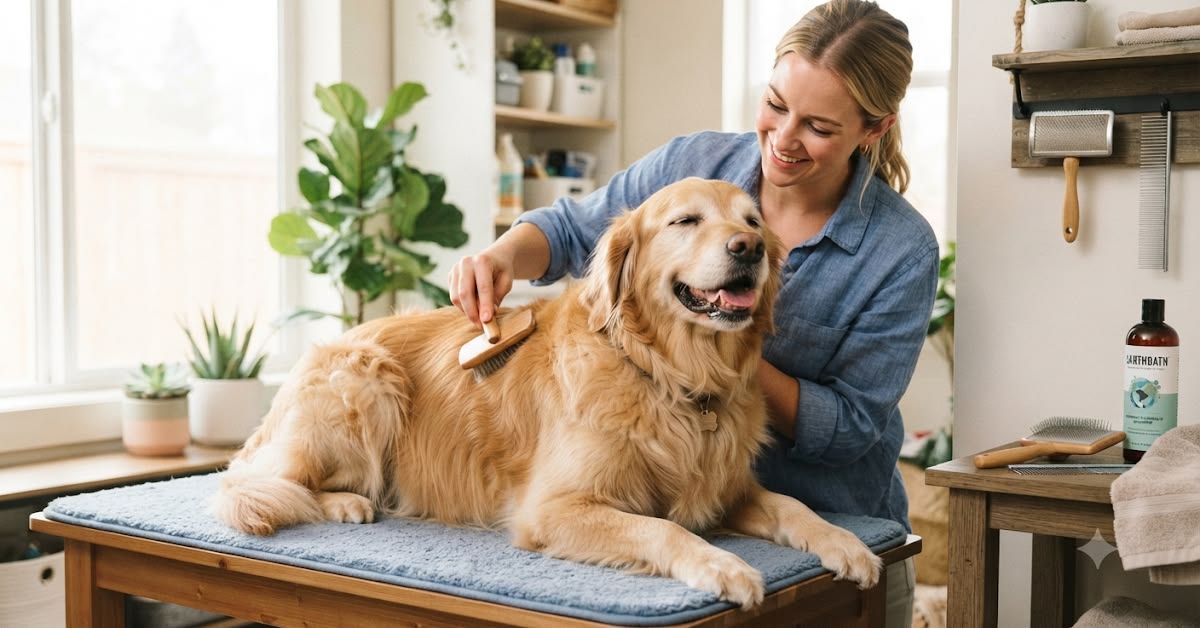
Regular coat brushing keeps your Dog’s fur clean, shiny, and completely free of painful mats. It acts like a mini massage that boosts blood circulation and spreads natural skin oils throughout their fur. Doing this a few times a week also catches dirt, burrs, and loose hair before they end up covering your floors and furniture.
The daily routine is also great for your Dog’s skin. The gentle bristles act like a massage , spreading natural oils that make Dog,s coats shine. Plus, brushing is a wonderful way for the two of you to bond. Brushing your Dog’s coat gives you a quiet moment together to show your pet love and build trust.
If your Dog gets nervous or impatient, keep the first few sessions very short. Over time, your Dog will actually look forward to being brushed , making the routine a relaxing treat for both of you. To make brushing even easier, try starting this habit when your dog is still a young puppy and this time it makes a habit and fun for them, by this it easier to do brushing. Rewarding your Dog with praise and tasty treats during brushing teaches them that brush time is fun and safe for them.
2. Bathing your dog properly
Bathing your dog properly keeps their skin healthy and keeps your home smelling fresh. Always start by thoroughly brushing your dog’s coat to remove any loose fur and tangles. Trapped knots will hold onto water, tighten up, and become nearly impossible to remove after they get wet.
Next, place a non-slip rubber mat inside the tub to keep your pet from slipping and feeling anxious.Always use lukewarm water, as hot water easily scalds canine skin and cold water causes unnecessary shivering. Wet your dog completely from the neck down, being extra careful to avoid their sensitive eyes, nose, and ears.
Gently massage a specialized dog shampoo into their fur until it forms a thick, rich lather. Never use human shampoo because it disrupts their natural skin pH and causes severe dryness, itching, or rashes.The most critical step in the entire process is rinsing your dog completely. Leftover soap residue traps dirt, clogs pores, and triggers uncomfortable hot spots. Once the water runs completely clear, towel-dry them gently and reward them with a treat to build a positive association.
Finally , always end bath time with a happy mood full of love, praise , and tasty treats. Letting your dog shake the extra water.
3. Nail Trimming
Trimming your dog’s nails is a very important part of keeping them healthy and pain-free. When a dog’s nails grow too long, they tap loudly on the floor and make walking uncomfortable. Over time, long nails push the paw bones into unnatural positions, which can cause permanent joint pain or arthritis. Regular trimming keeps their paws strong, straight, and properly aligned.
The trick to safe trimming is avoiding the “quick,” which is the pink blood vessel inside the nail. Cutting the quick hurts and bleeds, so it is best to snip off just the thin, curved tips. If your dog has black nails and you cannot see the quick, cut very small slices at a time. Stop immediately when you see a dark spot appear in the center of the cut nail.
Always use sharp, proper dog nail clippers to prevent crushing or splintering the nail. Pair the chore with tasty treats and heavy praise so your dog learns to sit calmly. Short, frequent trimmings every few weeks will naturally cause the quick to shrink back, making future trims much easier. Keep a small container of styptic powder or cornstarch near to stop any bleeding quickly. Remember to take your time, stay calm, and stop the session early if you dog gets too stressed.
4. Cleaning of Ear and Eyes
Trimming your dog’s nails is a vital part of keeping them healthy, comfortable, and active. When a dog’s nails grow too long, they tap loudly on hard floors and can make walking very painful. Long nails force your dog to shift their weight backward, changing how their paws touch the ground. Over time, this unnatural posture strains their legs and leads to serious, permanent joint pain or arthritis. Regular clipping keeps their paws properly aligned, prevents painful splits, and saves your furniture and skin from accidental scratches.
The secret to a successful trim is avoiding the “quick,” which is the sensitive blood vessel inside the nail. Cutting this area causes pain and bleeding, so you should only snip off the thin, curved tips. If your dog has clear white nails, the quick is easy to see as a pink line. For dogs with solid black nails, the quick is hidden from view. To stay safe, cut very tiny slices at a time and look at the cut edge.
To make the process stress-free, always use sharp clippers designed specifically for pets so the nails do not crush or splinter. If your pet gets nervous, you do not have to trim all four paws in one sitting. Doing just one or two nails a day is a perfectly fine way to build up their confidence, making each future session much shorter and easier.
5. Brushing your dogs teeth
Brushing your dog’s teeth is a simple but essential chore that keeps your pet healthy and prevents painful dental diseases. Just like humans, dogs get a buildup of plaque and tartar on their teeth from eating everyday meals. If you do not clean this away, it leads to swollen gums, tooth decay, and terrible bad breath. Even worse, bacteria from infected gums can enter your dog’s bloodstream, causing serious damage to their heart, liver, and kidneys over time. Regular brushing removes this plaque before it hardens, saving your dog from severe pain and expensive veterinary dental cleanings.
To start, you must always use a specialized dog toothpaste and a soft pet toothbrush. Never use human toothpaste because it contains ingredients like xylitol and fluoride, which are highly toxic and dangerous if your dog swallows them. Dog toothpaste comes in delicious flavors like poultry, beef, or peanut butter, making the experience much more enjoyable for your pet. Introduce the brush slowly by letting them lick the tasty paste off your finger first, then gently lift their lips to brush the outside of their teeth in small, circular motions.
Keep the first few sessions very short, lasting only a few seconds, and shower your dog with praise and treats afterward. Brushing two or three times a week is enough to protect their mouth and keep their breath smelling fresh.
